When trying to lose weight, hunger is often the biggest challenge. That’s where zero calorie vegetables for weight loss come in. While no food is truly calorie-free, some vegetables contain so few calories that they help you eat more volume while staying in a calorie deficit.
This article explains what zero-calorie vegetables are, which ones are best, and how to use them effectively for fat loss.
What Are “Zero-Calorie” Vegetables?
“Zero-calorie vegetables” is a practical term used for vegetables that contain very low calories per serving, usually because they are:
- High in water
- High in fiber
- Very low in fat and sugar
These vegetables allow you to eat larger portions with minimal calorie impact.
Why Zero-Calorie Vegetables Help With Weight Loss
Low-calorie vegetables support fat loss by:
- Increasing meal volume without adding calories
- Improving fullness and satiety
- Reducing overall calorie intake
- Supporting digestion and gut health
According to Harvard Health, diets high in vegetables are linked to better appetite control and healthier weight management.
Best Zero-Calorie Vegetables for Weight Loss


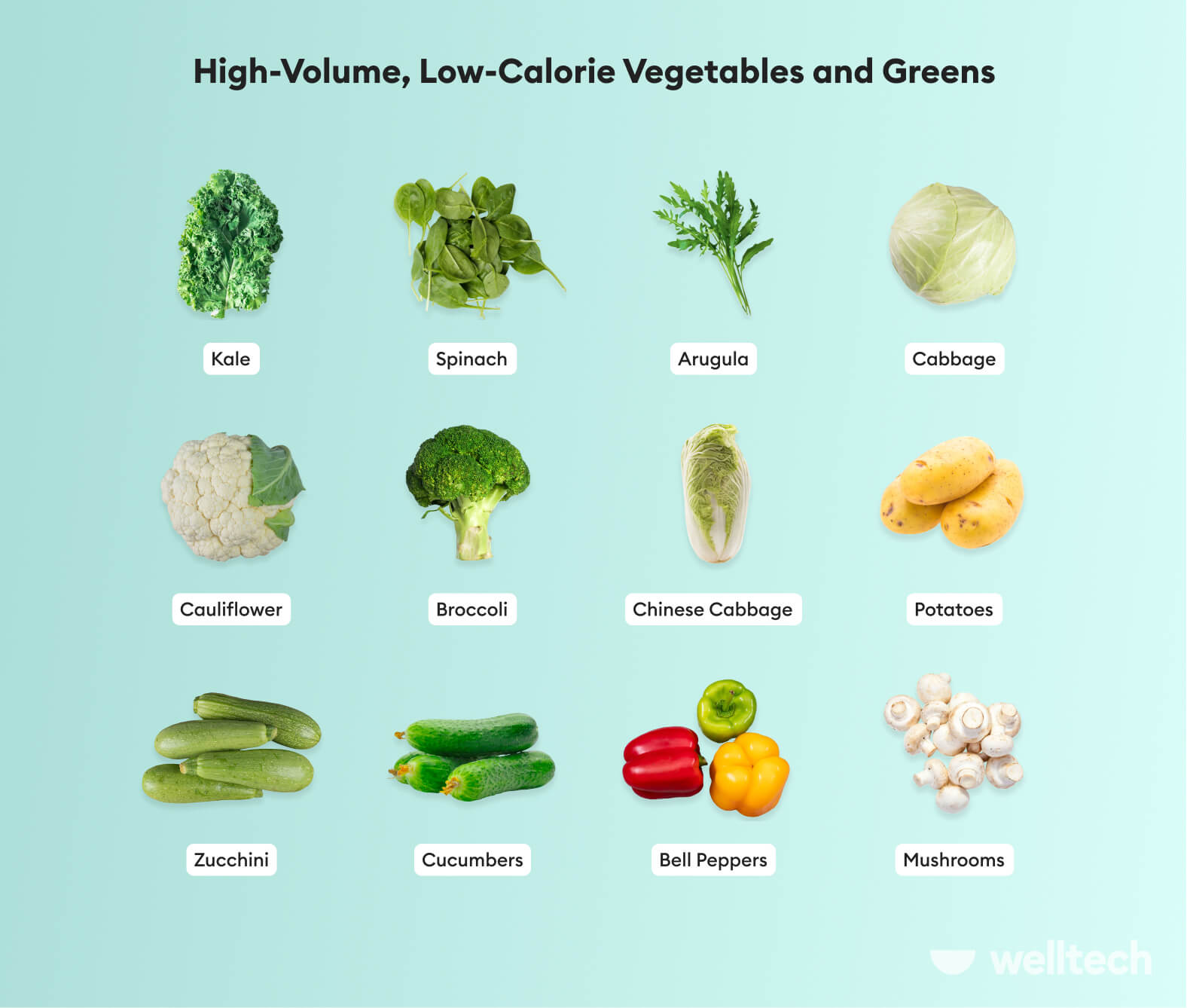
Top Low-Calorie Vegetables
| Vegetable | Calories (per 100g) |
|---|---|
| Cucumber | ~15 kcal |
| Lettuce | ~15 kcal |
| Celery | ~16 kcal |
| Spinach | ~23 kcal |
| Zucchini | ~17 kcal |
| Broccoli | ~34 kcal |
| Cauliflower | ~25 kcal |
| Bell peppers | ~31 kcal |
These vegetables are ideal for building large, satisfying meals without excess calories.
How to Use Zero-Calorie Vegetables for Fat Loss
The key is combining them with protein, not eating them alone.
Best strategies:
- Add vegetables to every meal
- Use them as meal volume boosters
- Replace high-calorie sides with vegetables
- Snack on raw vegetables instead of processed foods
👉 Combine vegetables with protein sources listed here:
https://calculatorprotein.com/blog/best-protein-sources-for-fat-loss/
Zero-Calorie Vegetables + Protein = Best Results
Pairing vegetables with protein improves results by:
- Increasing fullness
- Preserving muscle
- Stabilizing blood sugar
You can see how protein fits into your daily plan here:
https://calculatorprotein.com/blog/high-protein-meal-plan-for-weight-loss/
And calculate your protein needs here:
https://calculatorprotein.com/protein-calculator/
Common Mistakes to Avoid
- Eating vegetables without protein
- Using high-calorie sauces or oils
- Assuming vegetables alone cause fat loss
- Ignoring portion control of other foods
Vegetables help weight loss, but calorie balance still matters.
Are Zero-Calorie Vegetables Safe to Eat Daily?
Yes.
According to Mayo Clinic, vegetables are safe to eat daily and provide essential vitamins, minerals, and fiber when consumed as part of a balanced diet.
Frequently Asked Questions
Are zero-calorie vegetables really calorie-free?
No, but their calorie content is so low that they have minimal impact on daily intake.
Can I eat unlimited vegetables and still lose weight?
Vegetables help, but fat loss still depends on overall calorie intake.
Should vegetables replace meals?
No. Vegetables should support meals, not replace protein and essential nutrients.
Final Takeaway
Zero-calorie vegetables for weight loss are one of the simplest tools to reduce hunger and control calories.
When you:
- Eat vegetables freely
- Pair them with lean protein
- Control calories from other foods
Weight loss becomes easier and more sustainable.
👉 Start from the main guide:
https://calculatorprotein.com/blog/high-protein-foods-for-weight-loss/