
A Practical, Calculator-Based Nutrition Guide
Knowing how much protein you need is a great first step — but it’s not enough on its own.
Most people calculate their protein intake correctly, then get stuck with the same question:
“What should I actually eat every day to hit this number?”
This is where most nutrition plans fail — not because of bad intentions, but because there’s no structure.
In this guide, you’ll learn how different meal-planning approaches help turn protein targets into real, sustainable meals — and how to choose the one that fits your lifestyle.

Step 1: Calculate Your Protein Needs (Foundation First)
Protein needs vary based on:
- Body weight
- Age and gender
- Activity level
- Dietary preferences
- Long-term goals
Before choosing any meal plan, start here:
You can also explore:
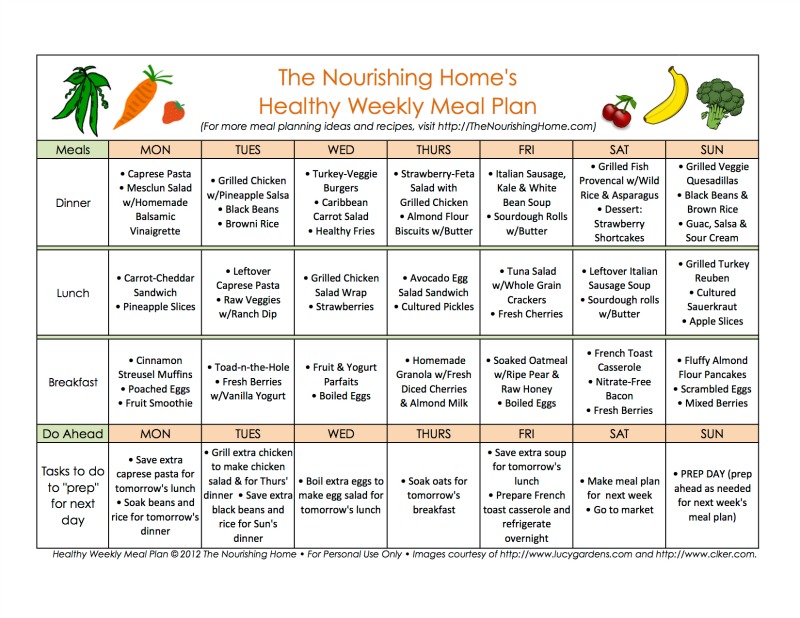
Once you know your target, the real challenge becomes consistency — and that’s where structured meal plans shine.
Why Meal Plans Convert Numbers Into Results
Without a clear plan, many people:
- Miss protein targets
- Eat inconsistently
- Rely on repetitive meals
- Quit after a few weeks
A structured meal plan helps by:
- Translating protein numbers into daily meals
- Removing decision fatigue
- Providing variety and balance
- Making healthy eating feel manageable
Instead of guessing every day, you follow a clear framework.
Meal Plans by Diet Style (Choose What Fits You Best)
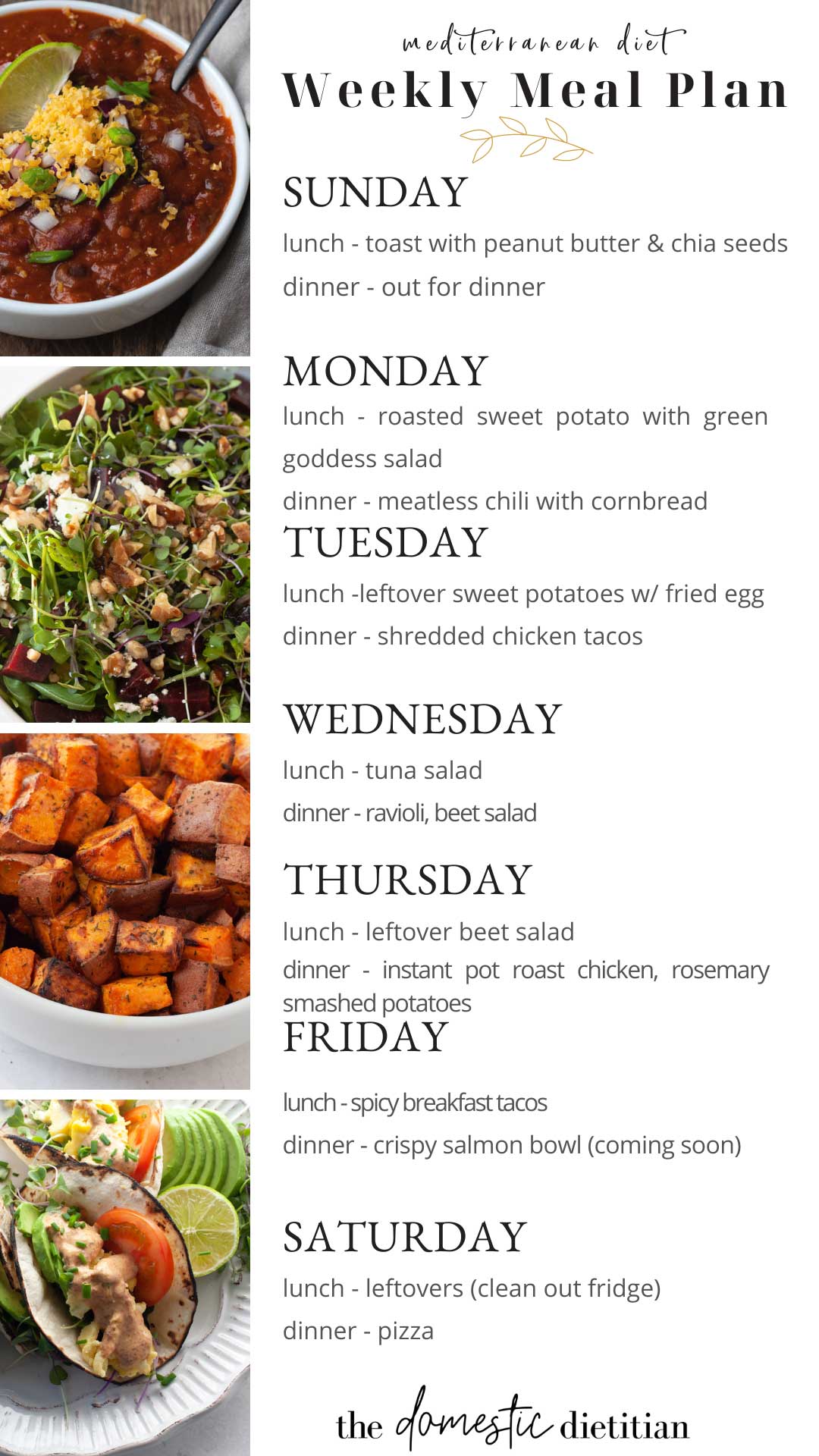
🥇 Mediterranean-Style Meal Planning
Best for Balance, Flexibility & Long-Term Consistency
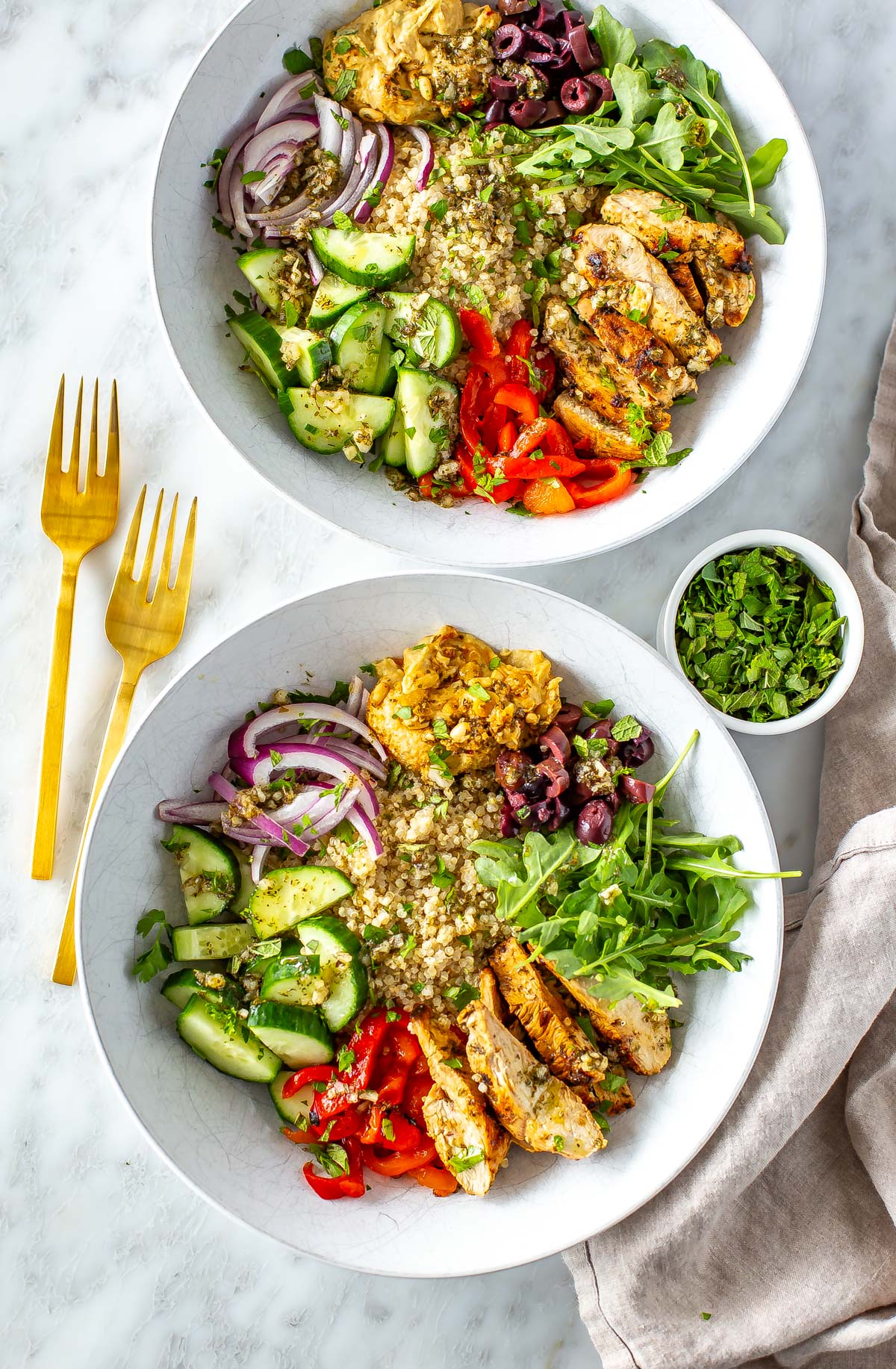
The Mediterranean approach emphasizes:
- Fish and seafood
- Legumes and beans
- Whole grains
- Olive oil
- Moderate dairy and lean protein
Protein is naturally spread across meals, making it easier to meet daily needs without restriction.

Who this is ideal for
- People who want sustainable eating
- Those who dislike strict diets
- Anyone focused on long-term health
Why structure matters
Even flexible diets work better with guidance — ensuring proper protein distribution and balanced portions.
👉 Recommended structured option:
[Mediterranean Health Plan]
This type of plan helps turn Mediterranean principles into practical, protein-aware daily meals.
🌱 Plant-Based Meal Planning
Best for Plant Protein & Ethical Eating
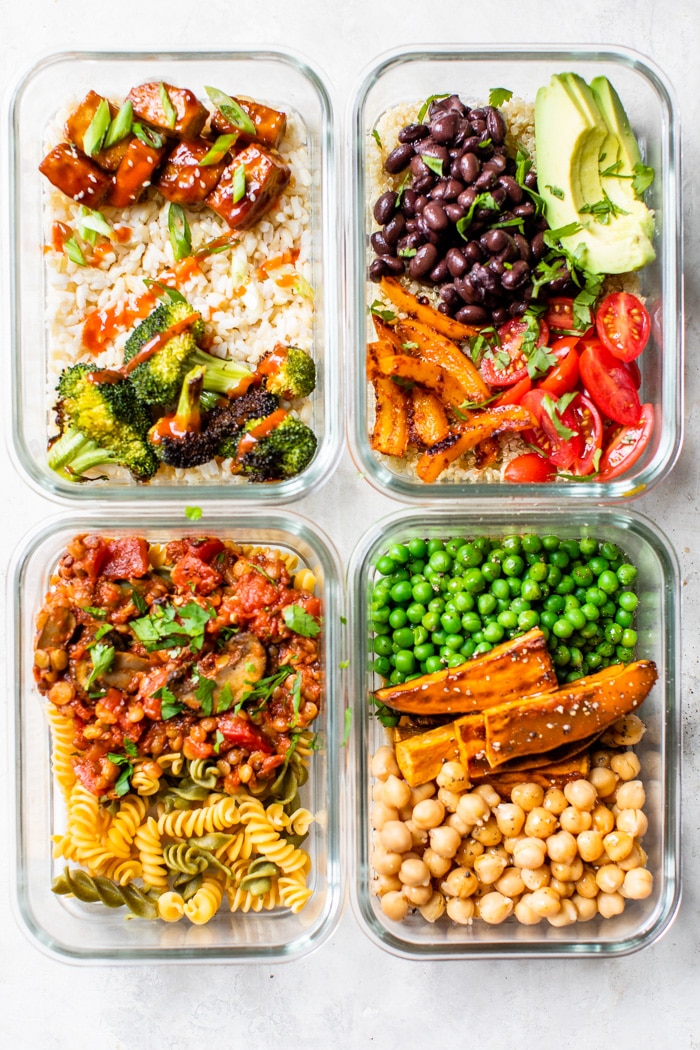
Plant-based diets rely on:
- Lentils and beans
- Chickpeas
- Tofu and tempeh
- Nuts, seeds, and whole grains
The challenge isn’t protein availability — it’s planning and balance.


Who this is ideal for
- Vegetarians and vegans
- People reducing animal products
- Environmentally conscious eaters
Why planning is essential
Without structure, many plant-based eaters under-consume protein or repeat the same meals.
👉 Recommended resource:
[Plant-Based Cookbook]
Recipe-driven planning helps ensure variety while meeting protein needs naturally.
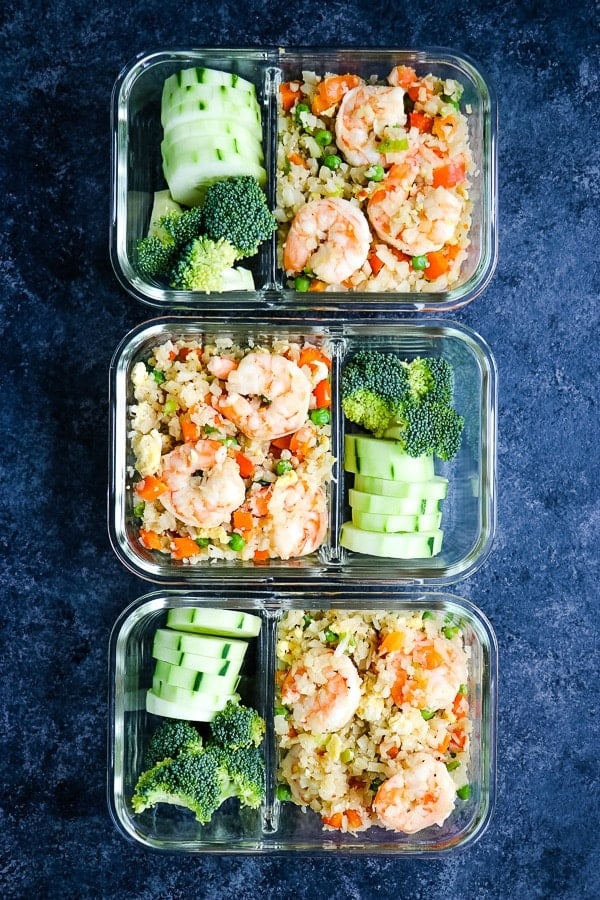
🥩 Low-Carb / Keto Meal Planning
Best for Macro-Focused & Structured Eating
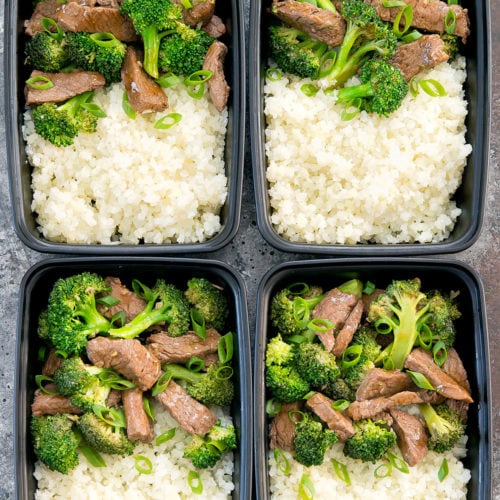
Low-carb and keto approaches emphasize:
- Reduced carbohydrates
- Higher protein and fat intake
- Macro consistency
Because food choices are limited, planning becomes crucial.


Who this is ideal for
- Low-carb followers
- Macro trackers
- People who prefer clear rules
👉 Recommended tool:
[Keto Creator]
Automated meal-planning tools simplify protein and macro alignment without manual calculations.
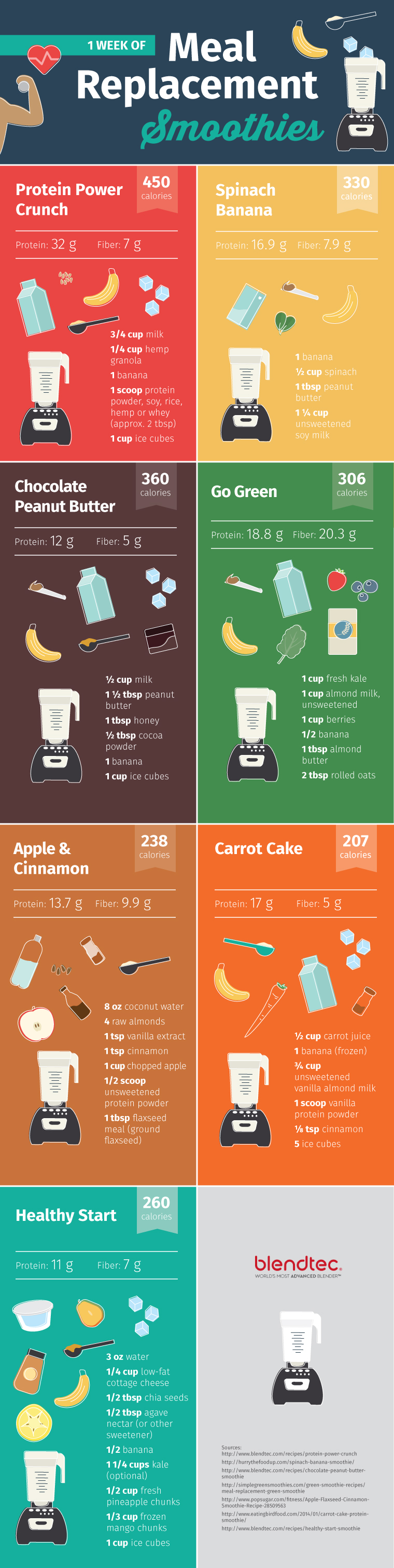
🥤 Smoothie-Based Meal Planning
Best for Convenience & Simple Routines
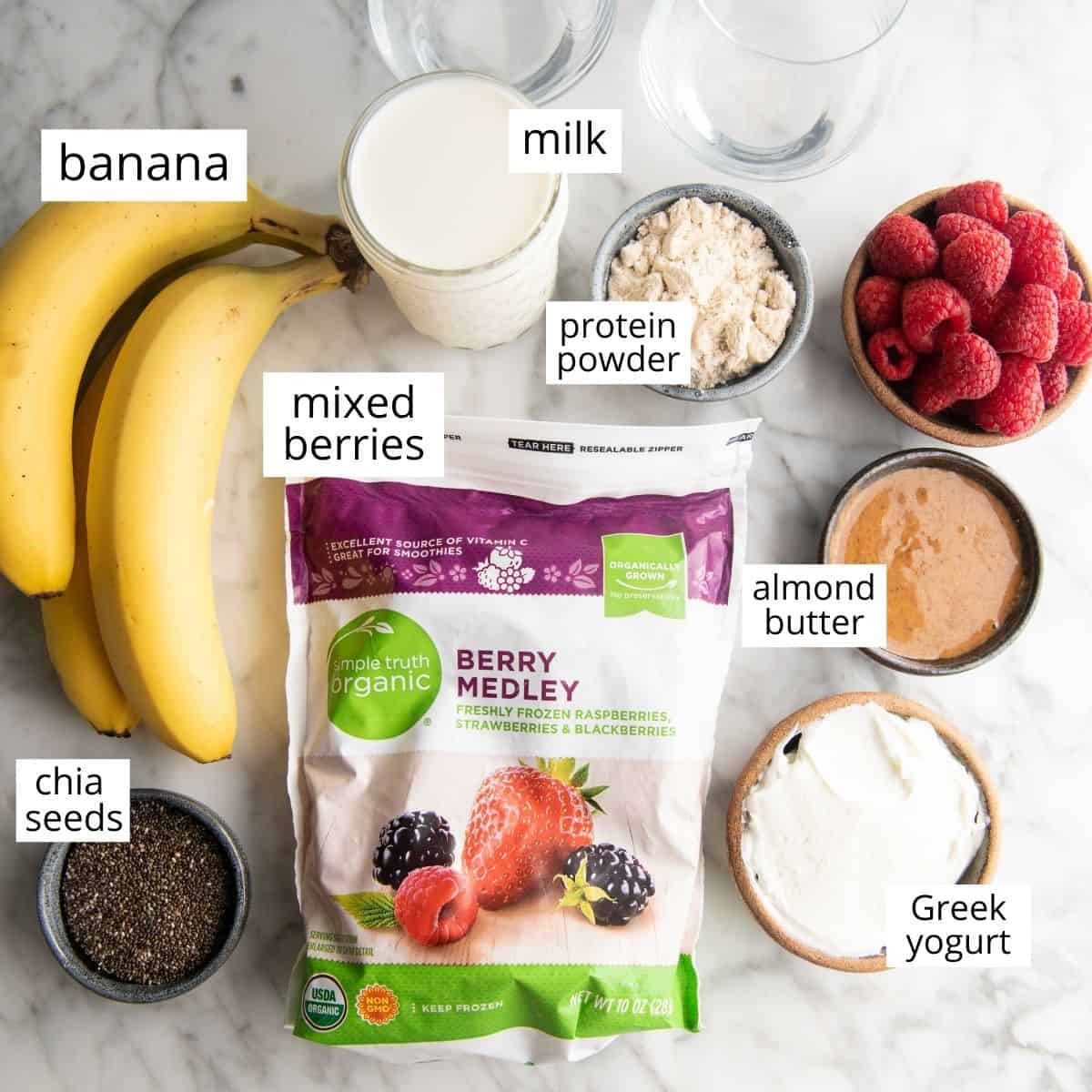
Smoothie-based plans use blended meals built from:
- Fruits and vegetables
- Protein sources
- Healthy fats
They’re commonly used for breakfast or partial meal replacement.

Who this is ideal for
- Busy schedules
- Simple daily routines
- Short-term structure
👉 Recommended option:
[The Smoothie Diet]
Structured smoothie plans remove guesswork and improve consistency.
Quick Comparison Overview
| Diet Style | Structure Level | Sustainability | Best Use |
|---|---|---|---|
| Mediterranean | Medium | High | Long-term balance |
| Plant-Based | Medium | High | Ethical eating |
| Keto | High | Medium | Macro control |
| Smoothie | Low | Low–Medium | Convenience |
Final Recommendation (Conversion Section)
The best meal plan is the one that:
- Matches your protein needs
- Fits your lifestyle
- Feels sustainable over time
Protein calculators give you clarity.
Meal plans give you confidence and consistency.
When both work together, healthy eating becomes simpler — and easier to maintain.
Frequently Asked Questions (FAQ)
❓ Do meal plans really help with protein intake?
Yes. Meal plans translate protein targets into real meals, making it easier to hit daily goals consistently.
❓ Can I meet protein needs without eating meat?
Absolutely. Plant-based diets can meet protein requirements when meals are properly planned and balanced.
❓ Is one meal plan better than the others?
No single plan is best for everyone. The right choice depends on preferences, lifestyle, and consistency.
❓ Should I choose a strict or flexible plan?
Flexible plans work best for long-term use, while stricter plans may suit short-term or goal-focused periods.
❓ Can I change meal plans later?
Yes. Many people start with one approach and adjust as preferences or goals evolve.