

High protein levels in the blood—also known as hyperproteinemia—can be caused by dehydration, kidney problems, chronic inflammation, or excessive protein intake.
If you’re asking “Why is my protein high?” or searching for how to remove excess protein from the body naturally, this guide explains the causes, symptoms, medical risks, and safe ways to lower protein levels without harming your health.
👉 Want to avoid protein overload?
Use our Protein Intake Calculator to find your ideal daily protein intake based on age, weight, and activity level.
Why Is My Protein High?
A high total protein level in the blood doesn’t always mean you’re eating too much protein. In many cases, it points to an underlying imbalance in hydration, kidney function, or inflammation.
Common causes include:
- Excessive intake of animal protein or protein supplements
- Dehydration (low fluid levels concentrate blood proteins)
- Kidney dysfunction (reduced protein filtration)
- Liver disorders affecting protein metabolism
- Chronic inflammation or infections
- Blood-related conditions such as multiple myeloma or amyloidosis
According to MedlinePlus, normal total blood protein levels usually range between 6.0 and 8.3 g/dL.
👉 Source: https://medlineplus.gov/lab-tests/total-protein/


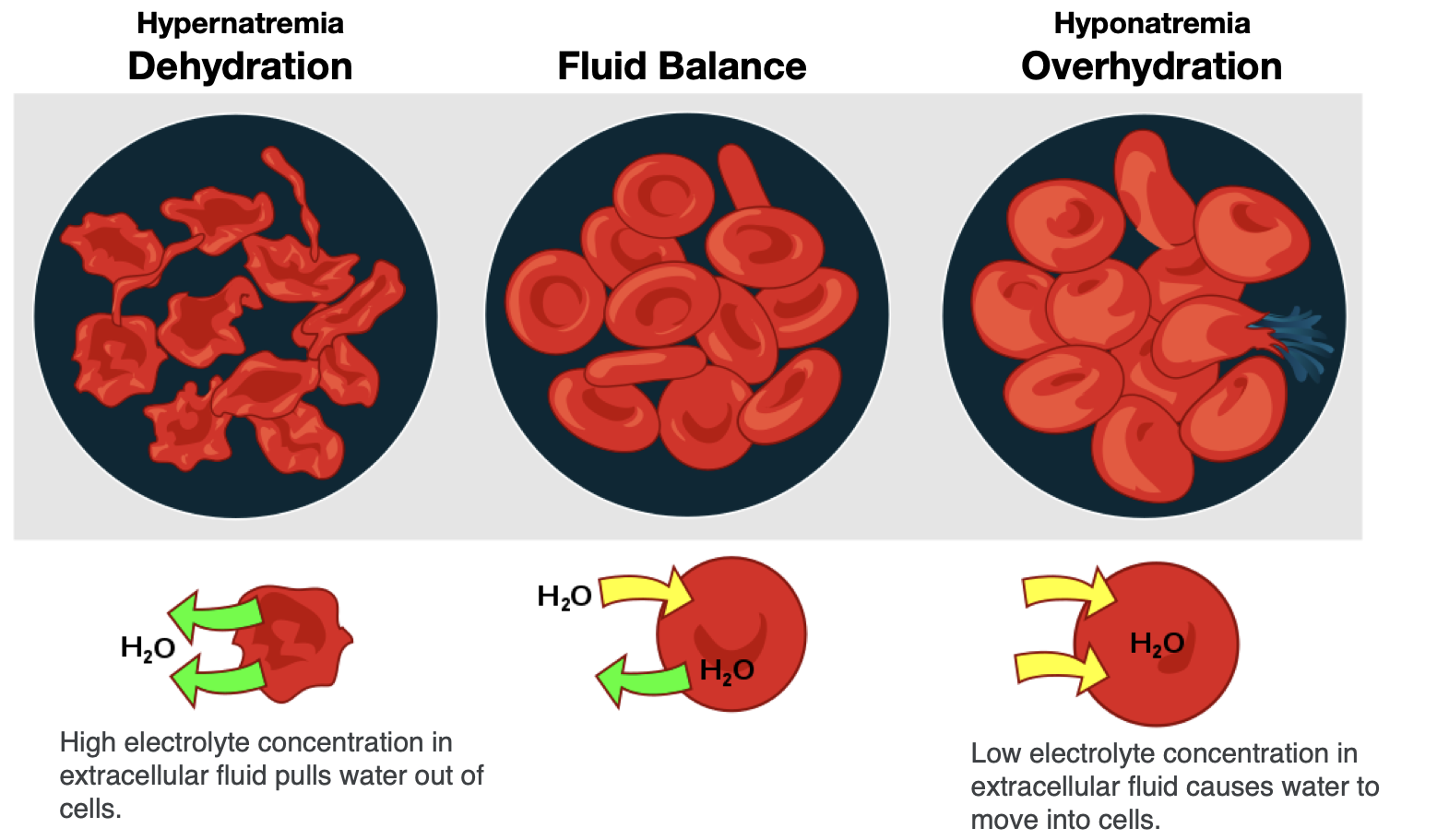
Alt text: Diagram showing causes of high protein in blood including dehydration and kidney dysfunction
Symptoms of Too Much Protein in Blood
High protein levels may be discovered during routine blood tests, but symptoms can occur—especially when the condition persists.
Common signs include:
- Persistent fatigue or weakness
- Increased thirst or dehydration
- Nausea or digestive discomfort
- Swelling in the hands, legs, or face
- Frequent urination
- Reduced appetite
If these symptoms appear alongside abnormal lab results, a total protein blood test is recommended.
Is High Protein in Blood Dangerous?
Yes—persistent high protein levels can be dangerous, particularly if linked to kidney disease, chronic inflammation, or blood disorders.
Untreated hyperproteinemia may lead to:
- Increased strain on the kidneys
- Dehydration and electrolyte imbalance
- Progression of underlying kidney or liver disease
- Delayed diagnosis of serious conditions
This is why identifying the root cause is more important than simply reducing protein intake.
High Protein in Blood vs High-Protein Diet (Important Difference)
Eating a high-protein diet does not automatically cause high protein levels in the blood.
| Situation | Explanation |
|---|---|
| High-protein diet | Usually affects kidney workload, not blood protein |
| Dehydration | Concentrates protein in the blood |
| Kidney dysfunction | Reduces protein clearance |
| Inflammation | Raises globulin levels |
Blood markers such as albumin, globulin, creatinine, and eGFR help determine the real cause.
How to Remove Excess Protein from Body Naturally
If your high protein level is caused by diet or lifestyle factors, these steps can help safely lower it.
1️⃣ Reduce Excess Animal Protein
Limit red meat, processed meats, and protein powders. Choose moderate portions of fish, eggs, legumes, or tofu instead.
2️⃣ Stay Properly Hydrated
Water helps dilute blood protein levels and supports kidney filtration.
Aim for 2–3 liters per day, unless your doctor advises fluid restriction.
3️⃣ Balance Your Macronutrients
Include fiber-rich carbohydrates such as oats, fruits, vegetables, and whole grains to reduce metabolic strain.
4️⃣ Avoid Processed Protein Supplements
Protein bars and shakes can spike intake quickly without medical necessity.
5️⃣ Monitor Kidney Health
If protein remains elevated, test:
- Creatinine
- eGFR
- Urine protein levels
Helpful tools:
6️⃣ Track Your Ideal Protein Intake
Not everyone benefits from high-protein diets.
Use our Protein Intake Calculator to stay within a safe and effective range.

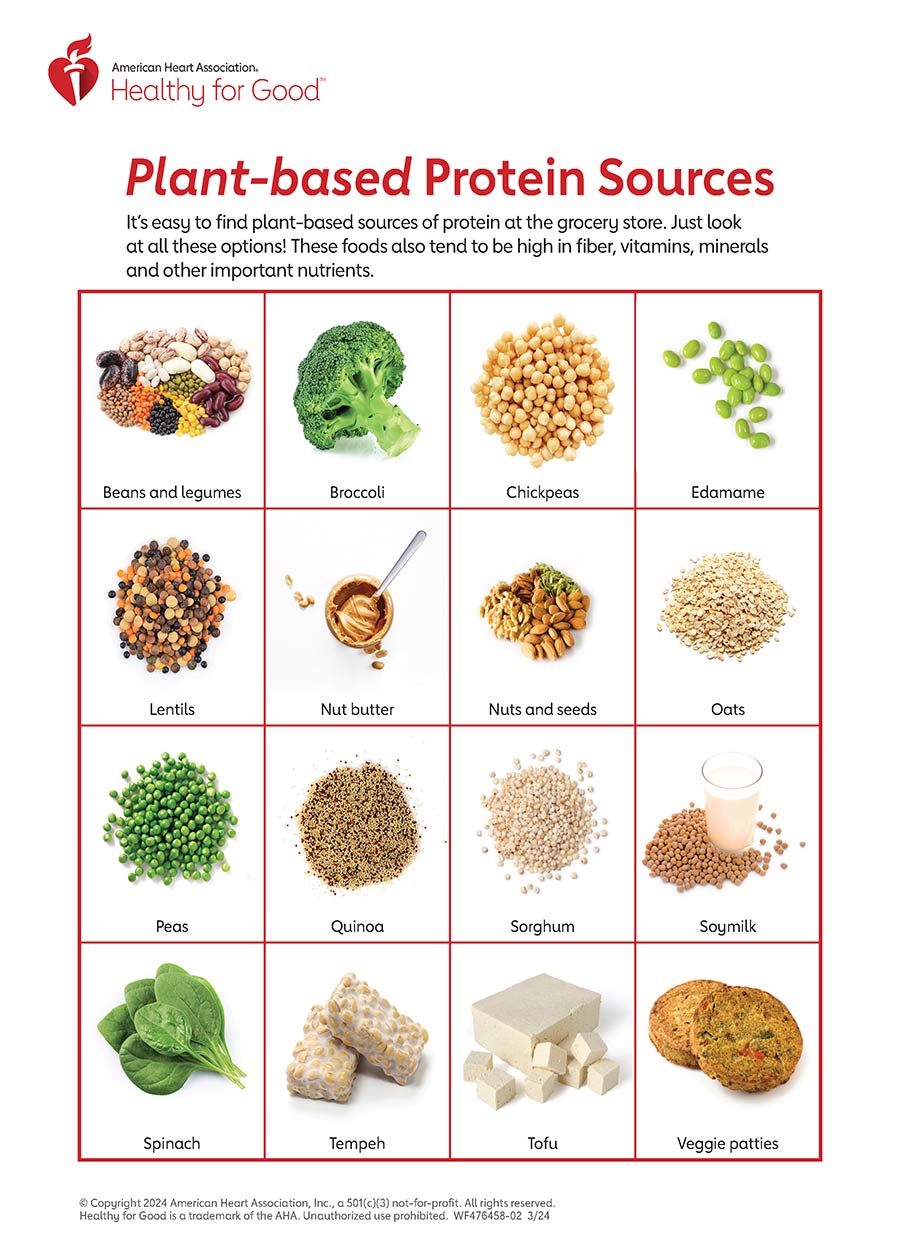
Alt text: Foods and hydration strategies to reduce high protein in blood naturally
When to See a Doctor
Seek medical attention if you experience:
- Persistent swelling or edema
- Chronic fatigue
- Unexplained weight loss
- Repeated blood tests showing high protein
Early diagnosis helps prevent kidney damage and long-term complications.
External Medical Reference
For general medical guidance on protein intake and health, see this article from Mayo Clinic Health System:
👉 https://www.mayoclinichealthsystem.org/hometown-health/speaking-of-health/are-you-getting-too-much-protein
(Your article expands beyond this by focusing on blood protein levels, kidney function, and personalized calculators.)
Frequently Asked Questions (FAQ)
Can drinking water lower protein in blood?
Yes. If dehydration is the cause, proper hydration can normalize protein levels.
Does high protein in blood mean kidney disease?
Not always. Diet, dehydration, or inflammation can also raise protein levels. Persistent elevation requires kidney testing.
Should I stop eating protein completely?
No. Protein is essential. The goal is optimal intake, not elimination.
Is high protein in blood reversible?
In many cases, yes—especially when caused by dehydration or dietary imbalance.
How much protein is too much per day?
It varies by age, weight, and activity.
👉 Check your safe range using the Protein Intake Calculator.
Final Thoughts
Understanding how to remove excess protein from the body starts with identifying the cause—not guessing. Whether the issue is dehydration, diet overload, or kidney stress, targeted lifestyle changes and proper testing make all the difference.
👉 Stay within your healthy range.
Use our Protein Intake Calculator to avoid unnecessary risks and protect your long-term health.