
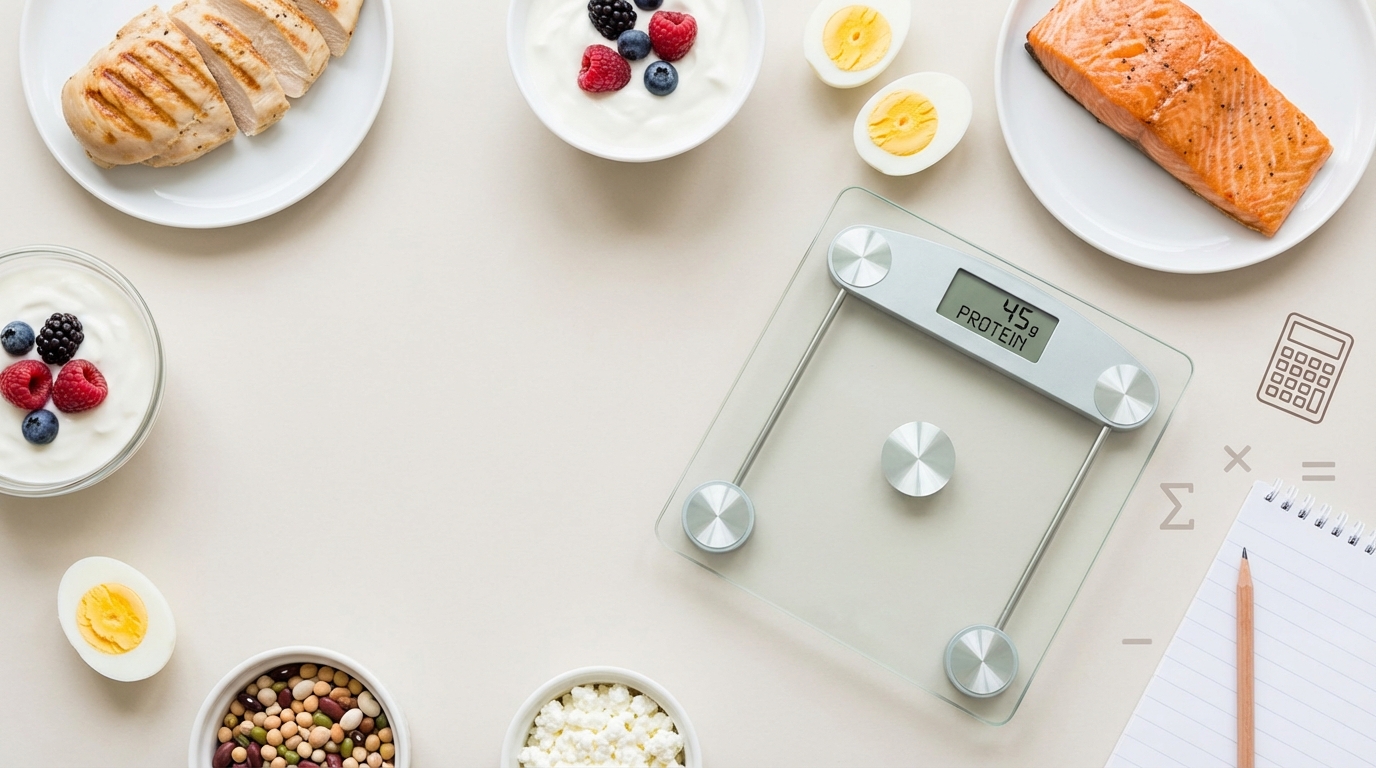
A protein intake calculator helps estimate how much protein your body needs each day based on weight, activity level, and goal. Instead of guessing, a calculator uses proven nutrition formulas to give a more accurate and personalized result.
This article explains how a protein intake calculator works, the formula behind it, and why it’s more reliable than using one fixed number for everyone.
What Is a Protein Intake Calculator?
A protein intake calculator is a tool that estimates your daily protein requirement using key personal factors, such as:
- Body weight
- Activity level
- Fitness goal (weight loss, muscle gain, maintenance)
It converts these inputs into a daily protein target, usually expressed in grams per day.
👉 Try the calculator here:
🔗 https://calculatorprotein.com/protein-calculator/
Why Protein Needs Are Different for Everyone
Protein needs vary because people differ in:
- Body size
- Muscle mass
- Physical activity
- Calorie intake
- Health goals
According to Harvard Health Publishing, higher protein intake can improve satiety and help preserve muscle, especially during weight loss.
🔗 https://www.health.harvard.edu/staying-healthy/extra-protein-is-it-safe
This is why calculators are more useful than generic recommendations.
The Protein Intake Formula Explained


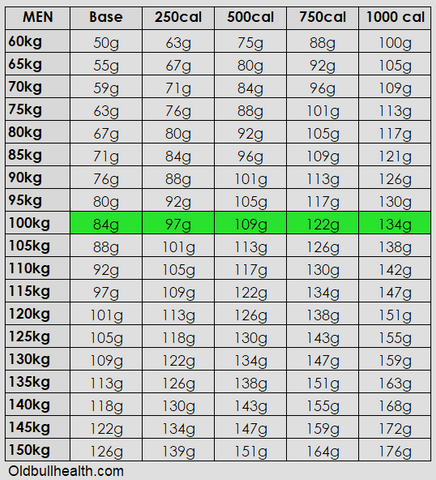
Most protein intake calculators use this core formula:
Protein per day = Body weight (kg) × Protein factor
The protein factor changes depending on your activity level and goal.
Protein Factors by Activity Level
Sedentary or Low Activity
- 0.8 g per kg
- Basic health maintenance
Moderately Active
- 1.2–1.6 g per kg
- Regular exercise, light training
Weight Loss or Fat Loss
- 1.6–2.2 g per kg
- Preserves muscle in a calorie deficit
Muscle Gain or Intense Training
- 1.6–2.4 g per kg
- Supports muscle growth and recovery
These ranges are supported by research summarized by Mayo Clinic.
🔗 https://www.mayoclinic.org/healthy-lifestyle/weight-loss/in-depth/high-protein-diet/art-20046407
Example: Protein Intake Calculation
Let’s say you weigh 75 kg and want to lose fat.
Using the formula:
75 × 1.8 = 135 g protein per day
Instead of guessing, the calculator gives you:
- Daily protein target
- Clear, practical guidance
👉 Calculate yours instantly:
🔗 https://calculatorprotein.com/protein-calculator/
Weight Loss vs Muscle Gain Calculations
Protein Calculator for Weight Loss
- Uses higher protein factors
- Helps reduce hunger
- Preserves lean muscle
Related guide:
🔗 https://calculatorprotein.com/blog/protein-before-or-after-workout-for-weight-loss/
Protein Calculator for Muscle Gain
- Uses upper protein ranges
- Supports training recovery
- Works best with resistance training
Why a Protein Calculator Is More Accurate Than Guessing

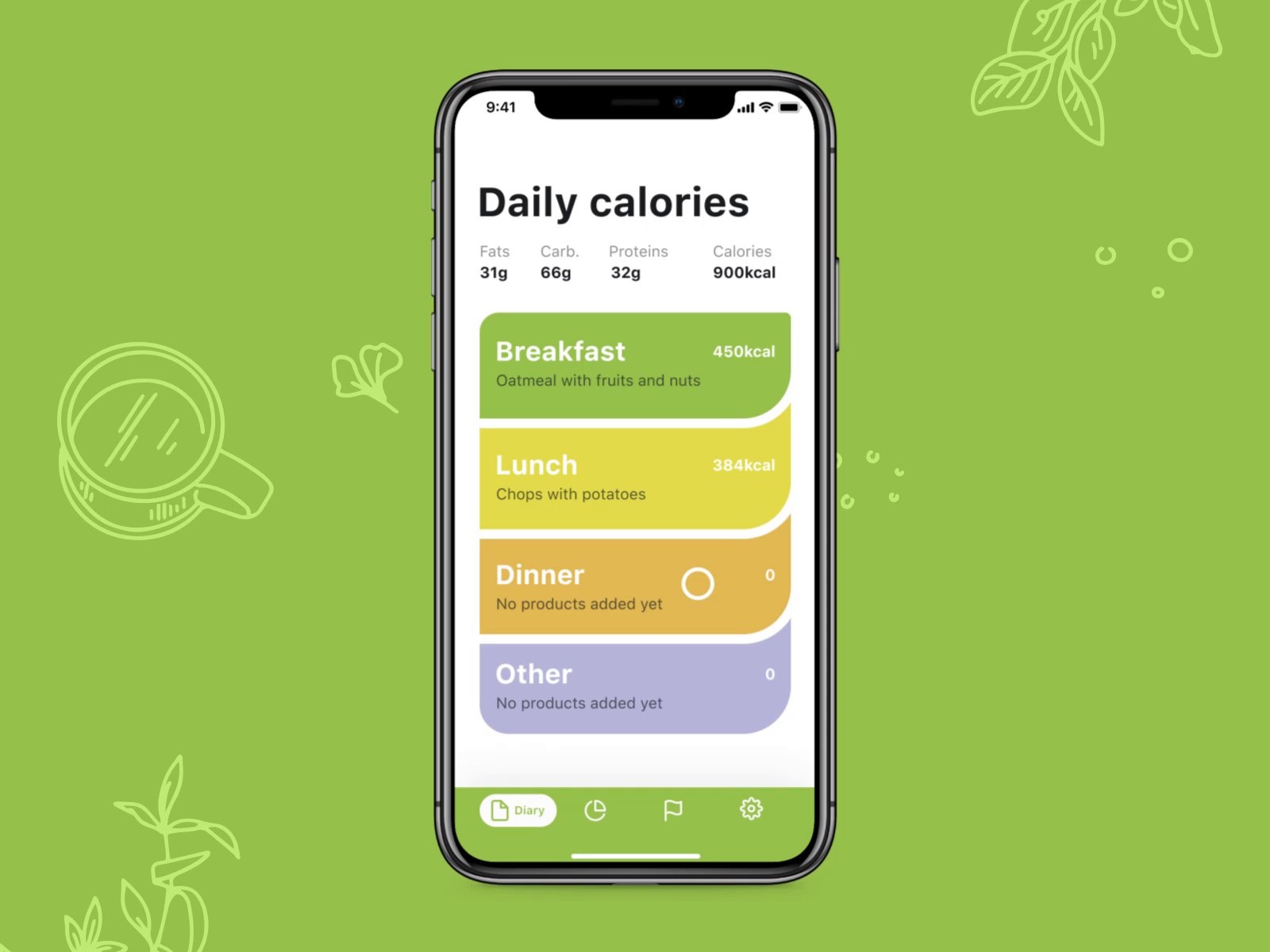

Common mistakes without a calculator:
- Eating too little protein
- Overestimating portion sizes
- Using outdated recommendations
- Ignoring activity level
A calculator avoids these errors by using personal data, not averages.
How Protein Intake Is Distributed Across Meals
Most calculators also suggest protein per meal, not just daily totals.
General guideline:
- 20–40 g protein per meal
- Spread across 3–4 meals
This approach improves:
- Muscle protein synthesis
- Appetite control
- Consistency
Learn more here:
🔗 https://calculatorprotein.com/blog/protein-timing-for-weight-loss/
Is a Protein Intake Calculator Safe?
For healthy adults, protein intake calculators operate within scientifically accepted ranges.
According to National Institutes of Health, protein intake within recommended limits is safe for most people.
🔗 https://ods.od.nih.gov/factsheets/Protein-HealthProfessional/
⚠️ People with kidney disease or medical conditions should consult a healthcare professional.
Frequently Asked Questions
Is a protein calculator accurate?
Yes, it is more accurate than guessing because it adjusts for body weight and activity level.
Can a calculator give different results for different goals?
Yes. Weight loss, muscle gain, and maintenance all use different protein factors.
Do I need protein supplements to reach my target?
No. Whole foods are usually enough. Supplements are optional.
Final Takeaway
A protein intake calculator works by combining your body weight, activity level, and goal into a simple but effective formula.
Instead of guessing:
- Use personalized calculations
- Follow science-based ranges
- Adjust as your goals change
👉 Use the free calculator here:
🔗 https://calculatorprotein.com/protein-calculator/