
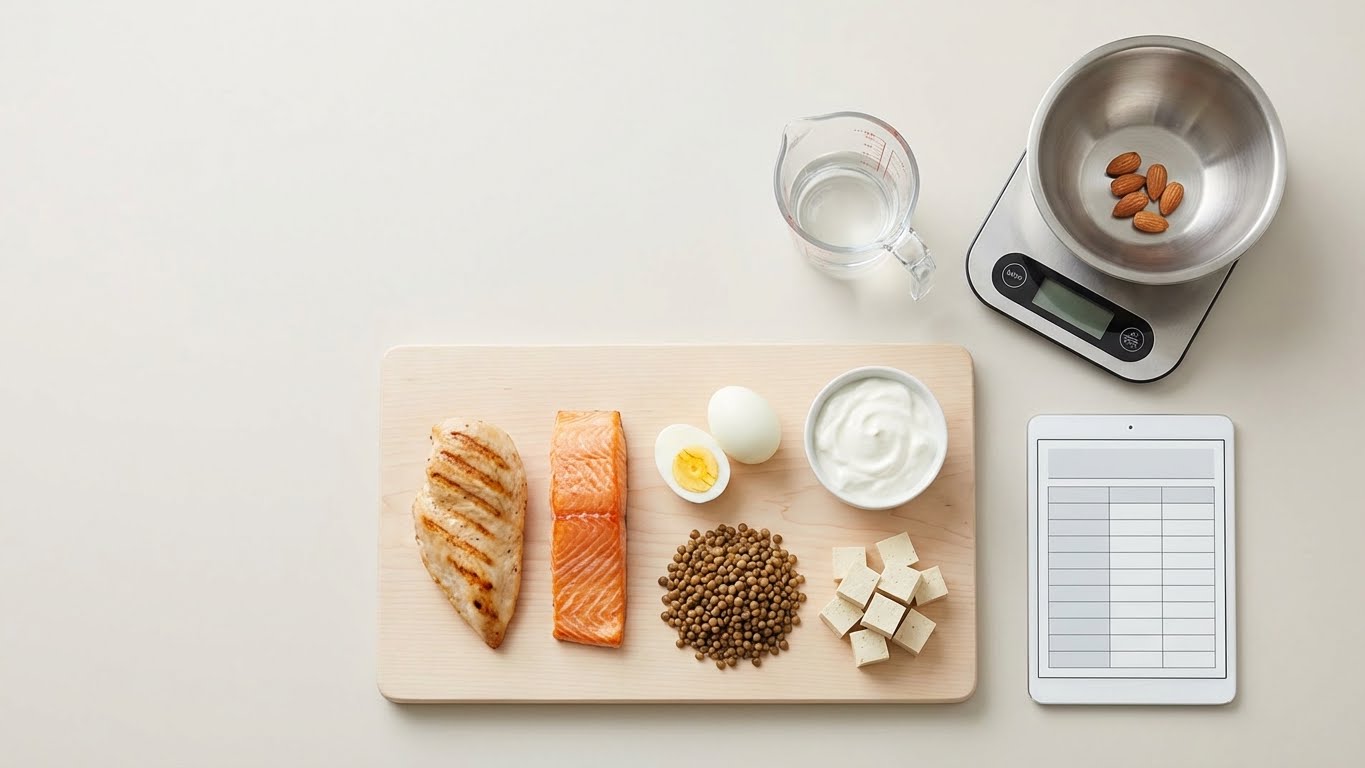
Knowing what to eat is only part of successful weight loss. To lose fat while preserving muscle, you also need to understand your protein intake for weight loss.
Eating too little protein can increase hunger and muscle loss, while eating too much without structure may slow progress. This guide explains exactly how much protein you need, based on science and practical results.
Why Protein Intake Matters for Weight Loss
Protein is the most important macronutrient for fat loss because it:
- Increases fullness and reduces cravings
- Preserves lean muscle during a calorie deficit
- Burns more calories through digestion
- Supports long-term weight maintenance
According to Harvard Health, higher protein intake improves appetite control and metabolic health.
External source:
https://www.health.harvard.edu/staying-healthy/extra-protein-is-it-safe
How Much Protein Do You Need to Lose Weight?
Recommended Range
For most people aiming to lose weight:
1.6–2.2 grams of protein per kilogram of body weight per day
This range is effective for both men and women and is widely supported by nutrition research.
Protein Intake Based on Body Weight
| Body Weight | Daily Protein Intake |
|---|---|
| 60 kg | 96–132 g |
| 70 kg | 112–154 g |
| 80 kg | 128–176 g |
| 90 kg | 144–198 g |
| 100 kg | 160–220 g |
To calculate your exact protein needs, use the calculator here:
https://calculatorprotein.com/
Protein Intake for Men vs Women
Protein recommendations are similar, but calorie needs can differ.
- Men often need more total protein due to higher muscle mass
https://calculatorprotein.com/protein-intake-for-men/ - Women generally follow the same grams-per-kilogram rule
https://calculatorprotein.com/protein-intake-for-women/
Best Protein Sources for Weight Loss
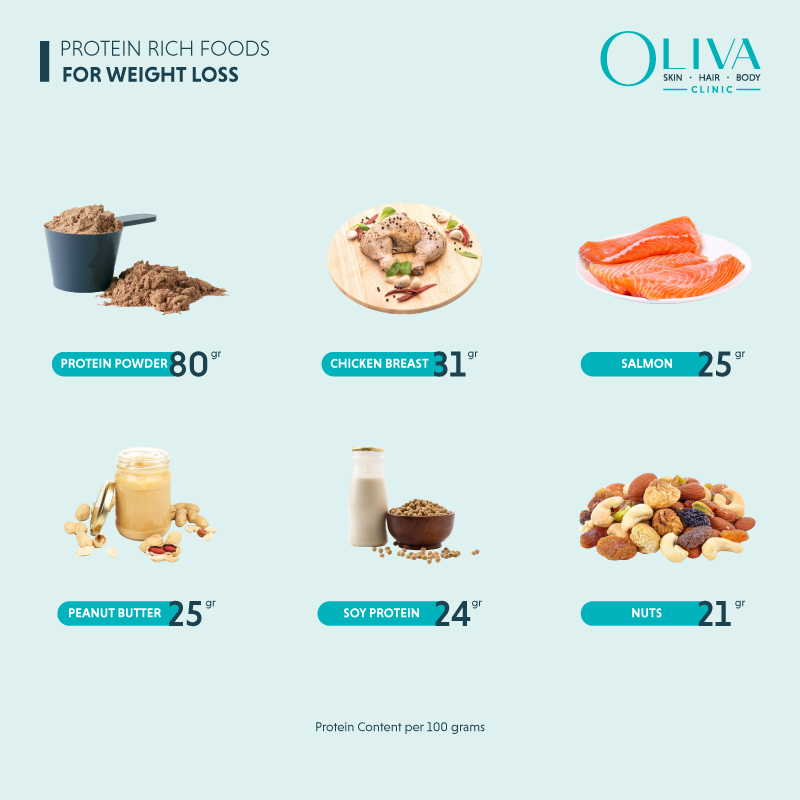
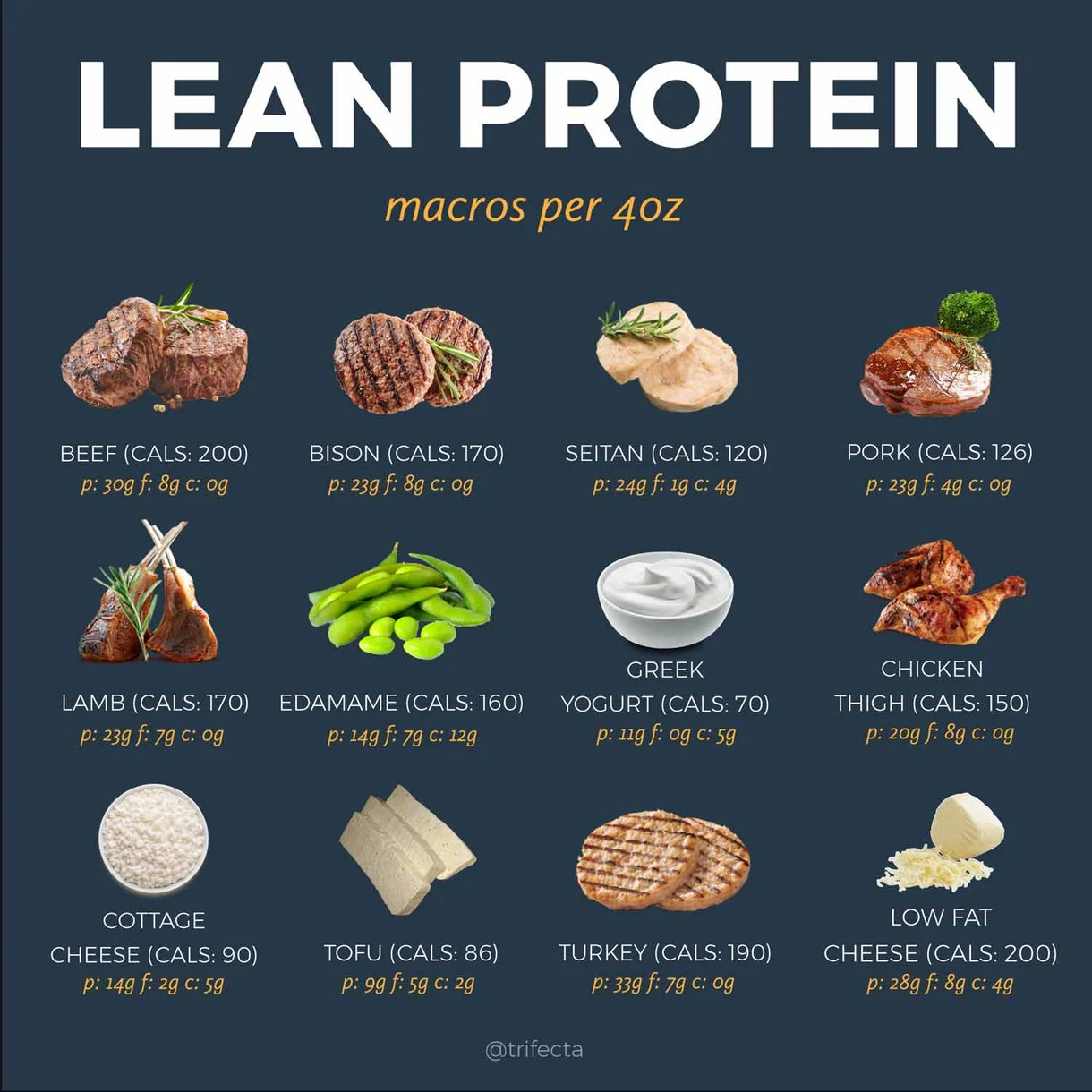
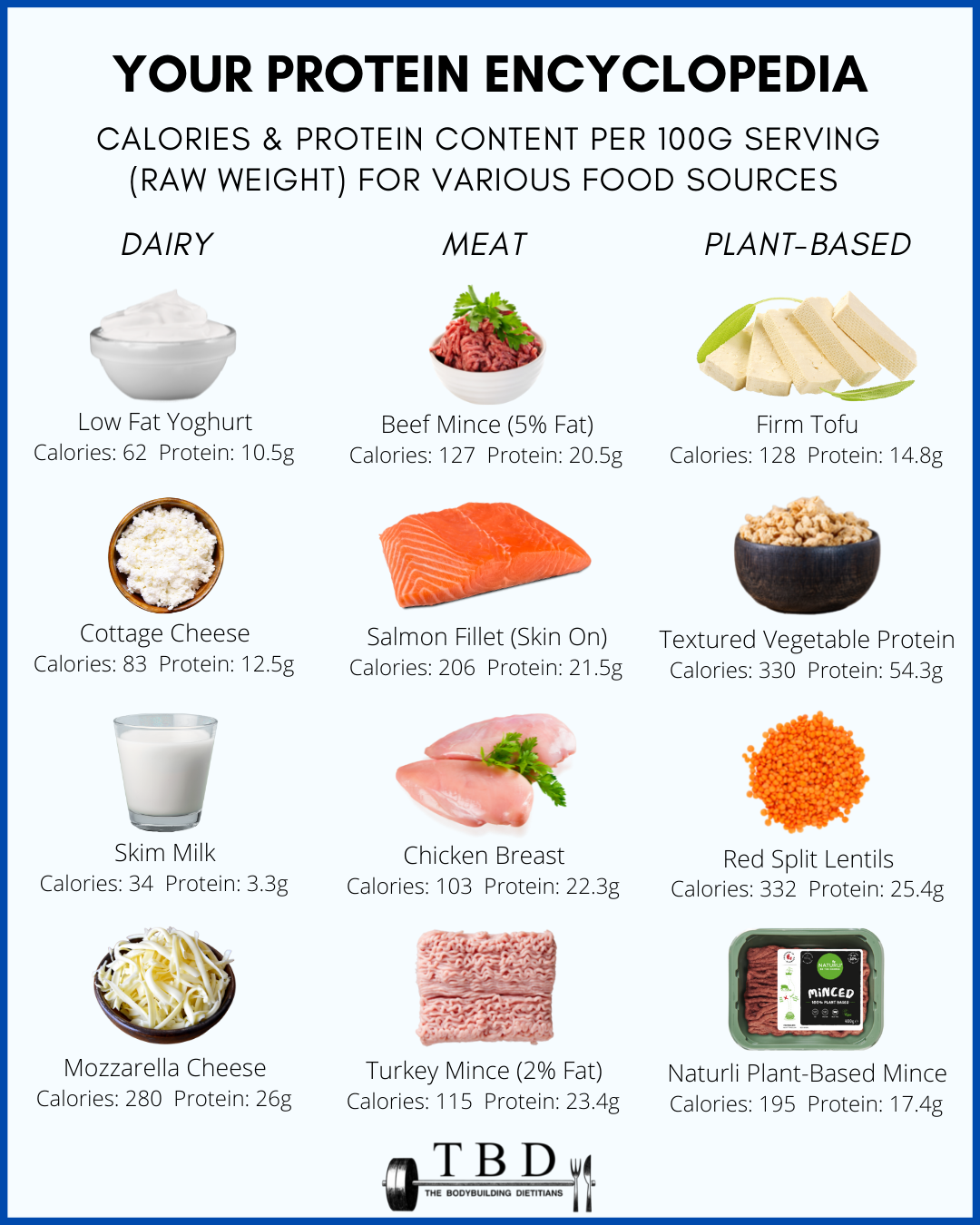
For best results, focus on high-protein, low-calorie foods, such as:
- Chicken breast
- Turkey
- Egg whites
- Non-fat Greek yogurt
- Fish (cod, tuna, salmon)
- Shrimp
- Lentils and tofu
You can see a detailed list here:
https://calculatorprotein.com/blog/high-protein-low-calorie-foods/
You may also start from the main guide:
https://calculatorprotein.com/blog/high-protein-foods-for-weight-loss/
Protein Intake Per Meal (Simple Rule)
Instead of eating all your protein in one meal:
- Split protein across 3–4 meals per day
- Aim for 25–40 grams per meal
- Include protein-rich snacks if needed
This approach improves muscle protein synthesis and appetite control.
Common Protein Intake Mistakes
- Eating too little protein while dieting
- Skipping protein at breakfast
- Relying only on protein shakes
- Ignoring total calorie intake
Protein works best as part of a balanced, calorie-controlled diet.
Is High Protein Intake Safe?
For healthy adults, a higher protein intake is generally safe.
According to Mayo Clinic, balanced high-protein diets support weight management when calories are controlled.
External source:
https://www.mayoclinic.org/healthy-lifestyle/weight-loss/in-depth/high-protein-diet/art-20046407
⚠️ People with kidney disease should consult a healthcare professional.
Frequently Asked Questions
How much protein should I eat per day to lose weight?
Most people benefit from 1.6–2.2 g/kg of body weight.
Can too much protein slow weight loss?
Yes. Excess calories from any source, including protein, can slow fat loss.
Is protein powder necessary?
No. Whole foods are sufficient, but protein powder can help meet daily targets.
Final Takeaway
Your protein intake for weight loss is just as important as food choice.
When you:
- Eat enough protein
- Spread it evenly across meals
- Maintain a calorie deficit
You maximize fat loss while protecting muscle.
👉 Calculate your personal needs using the Protein Intake Calculator.