
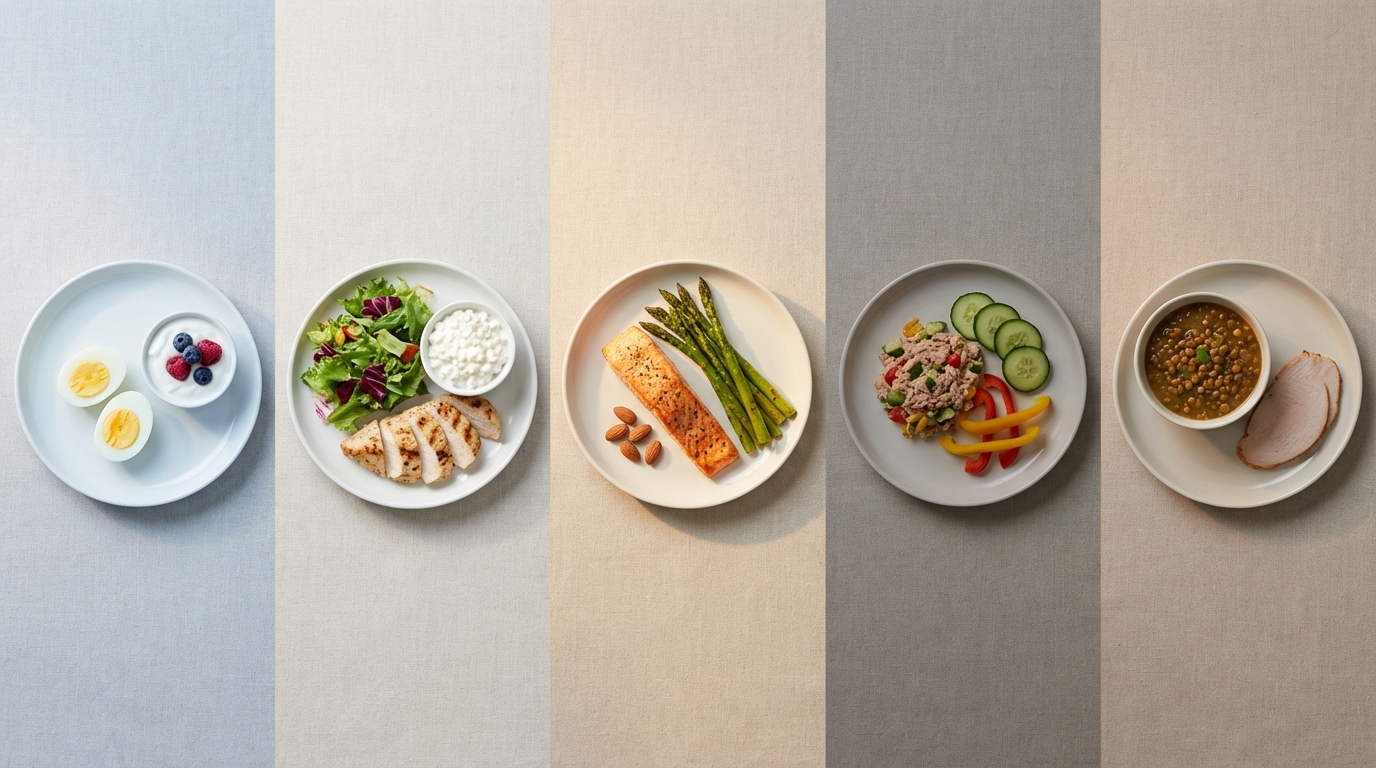
When it comes to fat loss, most people focus on how much protein they eat — but protein timing for weight loss can also play an important role in controlling hunger, preserving muscle, and improving results.
This article explains when to eat protein, how to spread it across the day, and whether timing really matters for weight loss.
Does Protein Timing Matter for Weight Loss?
Protein timing is not more important than total intake, but it can improve results when done correctly.
Eating protein at the right times helps to:
- Reduce hunger and cravings
- Maintain steady energy levels
- Preserve lean muscle during a calorie deficit
- Improve diet consistency
According to Harvard Health, spreading protein intake throughout the day improves satiety and muscle health.
Best Times to Eat Protein for Weight Loss
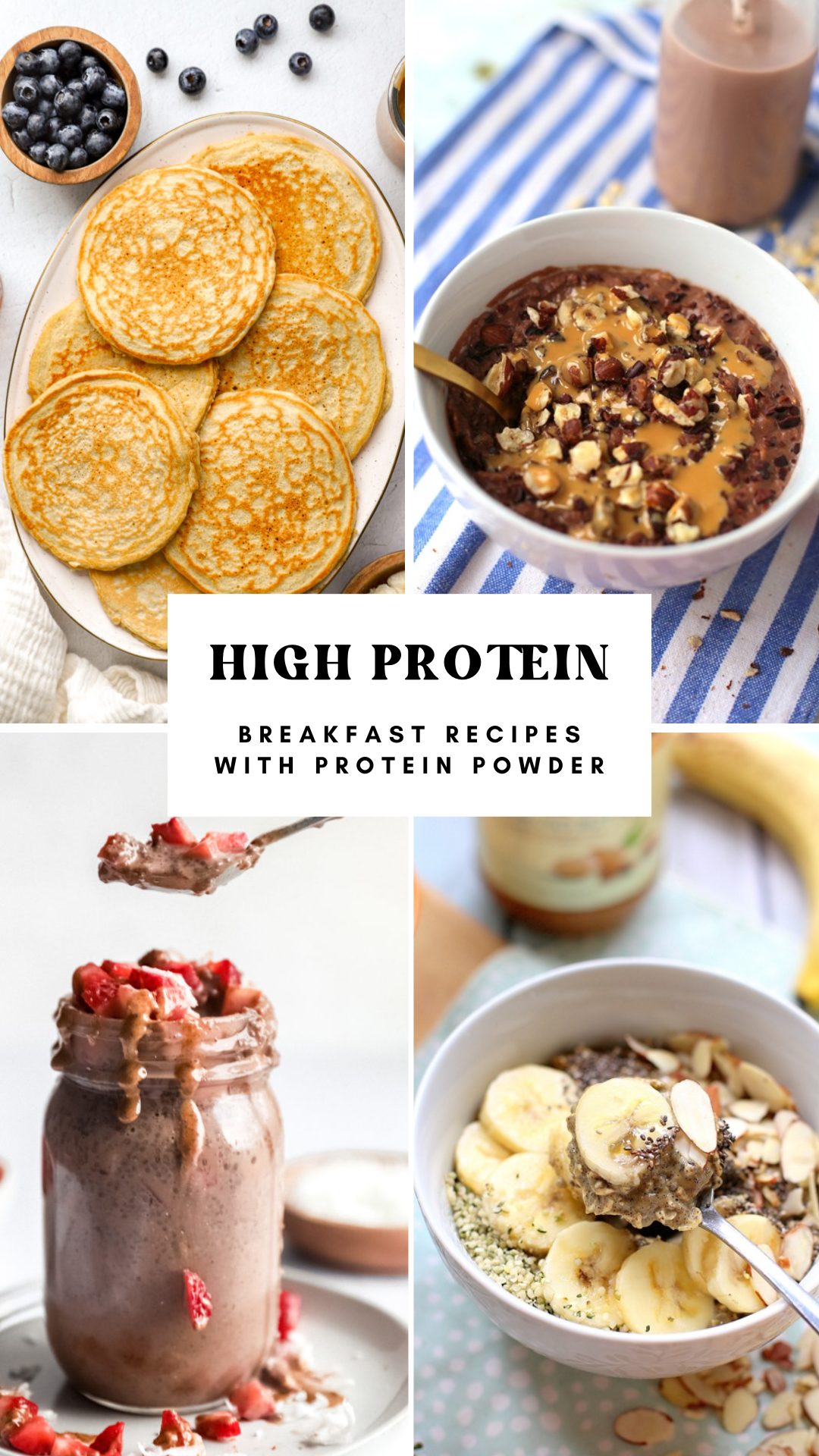
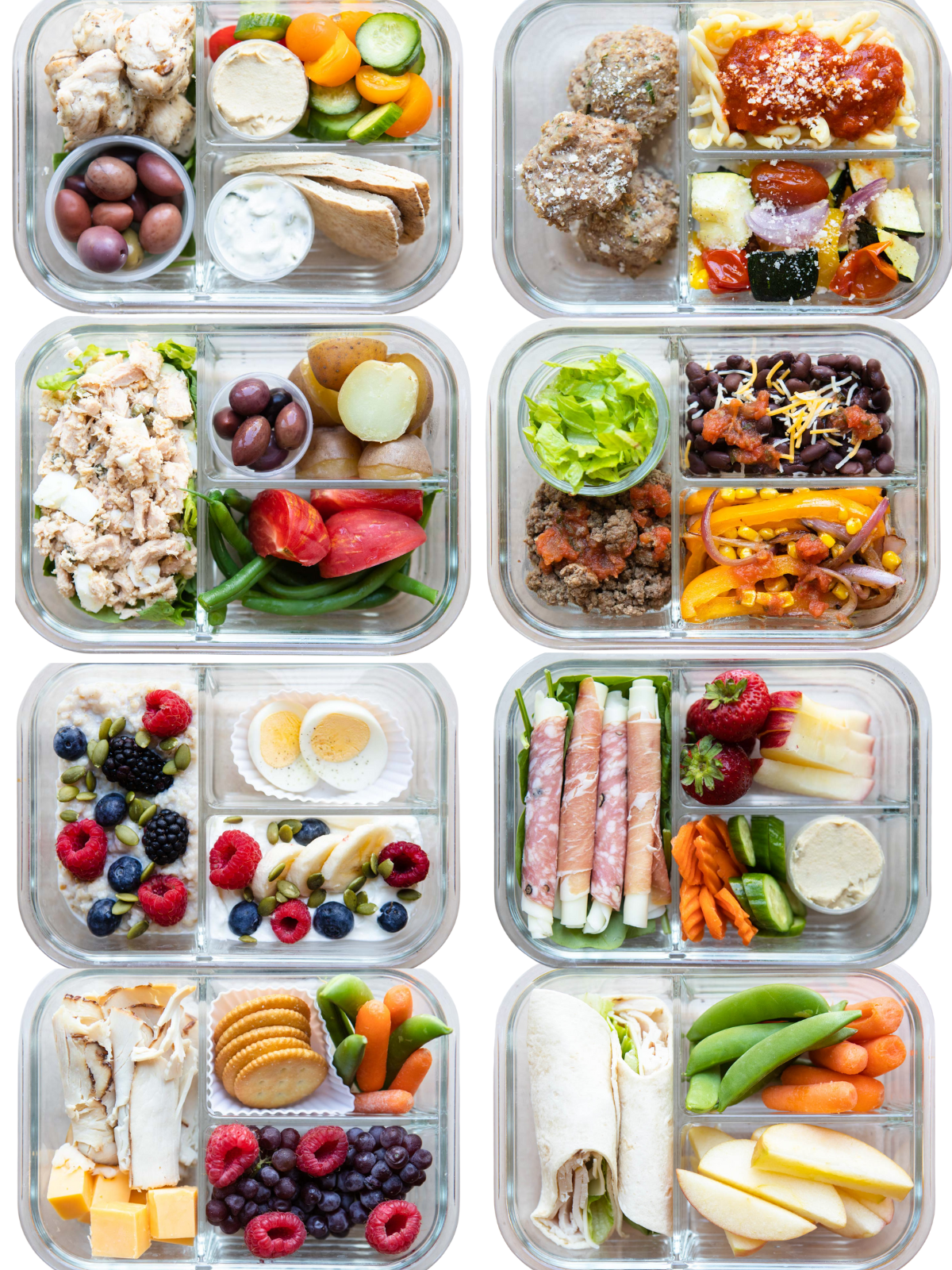


1️⃣ Protein at Breakfast
Starting your day with protein helps:
- Reduce appetite later in the day
- Prevent overeating at lunch
- Stabilize blood sugar
Good options:
- Eggs or egg whites
- Greek yogurt
- Protein smoothie
2️⃣ Protein at Lunch
Protein at lunch:
- Maintains fullness
- Prevents afternoon cravings
Examples:
- Chicken breast
- Tuna or salmon
- Turkey with vegetables
3️⃣ Protein at Dinner
Eating protein at dinner helps:
- Preserve muscle overnight
- Control late-night hunger
Choose lean sources to avoid excess calories.
4️⃣ Protein Between Meals (Snacks)
Protein-rich snacks reduce cravings and improve adherence.
Examples:
- Greek yogurt
- Cottage cheese
- Protein shake
How to Spread Protein Across the Day
A simple rule:
- 3–4 meals per day
- 25–40 grams of protein per meal
This pattern supports muscle protein synthesis and appetite control.
👉 To calculate your daily protein target, use the calculator:
https://calculatorprotein.com/protein-calculator/
Protein Timing Around Workouts
Protein Before Workout
- Helps reduce muscle breakdown
- Improves training performance
Protein After Workout
- Supports muscle repair and recovery
- Helps maintain lean mass during fat loss
You don’t need to overthink timing — consistency matters more.
Common Protein Timing Mistakes
- Skipping protein at breakfast
- Eating most protein in one meal
- Relying only on shakes
- Ignoring total calorie intake
Protein timing works best when total daily protein is adequate.
Is Protein Timing More Important Than Amount?
No.
Total daily protein intake is the top priority. Timing is a secondary optimization.
Start here:
https://calculatorprotein.com/blog/protein-intake-for-weight-loss/
And build meals using:
https://calculatorprotein.com/blog/high-protein-meal-plan-for-weight-loss/
Return to the main guide:
https://calculatorprotein.com/blog/high-protein-foods-for-weight-loss/
Is Protein Timing Safe?
Yes, for healthy adults.
According to Mayo Clinic, balanced protein intake spread throughout the day is safe and supports weight management.
People with medical conditions should consult a healthcare professional.
Frequently Asked Questions
Is it better to eat protein in the morning or at night?
Both are beneficial. The key is spreading protein evenly across the day.
Does eating protein at night cause weight gain?
No. Weight gain depends on total calories, not timing.
Do I need protein right after workouts?
It helps, but meeting your daily protein target is more important.
Final Takeaway
Protein timing for weight loss can enhance results, but it works best when paired with:
- Adequate daily protein
- Controlled calorie intake
- Consistent meals
Focus on total protein first, then optimize timing.
👉 Calculate your protein needs here:
https://calculatorprotein.com/protein-calculator/